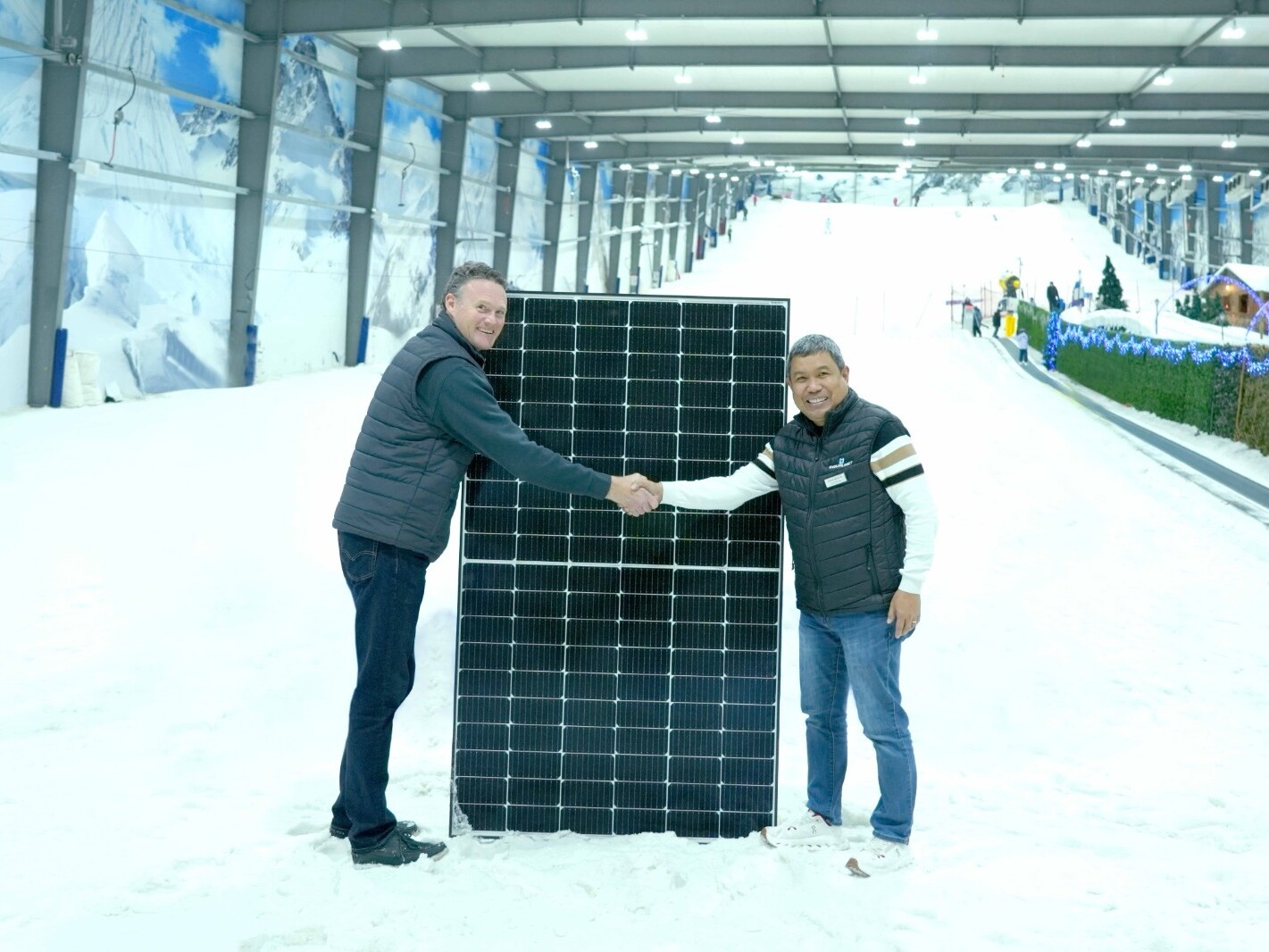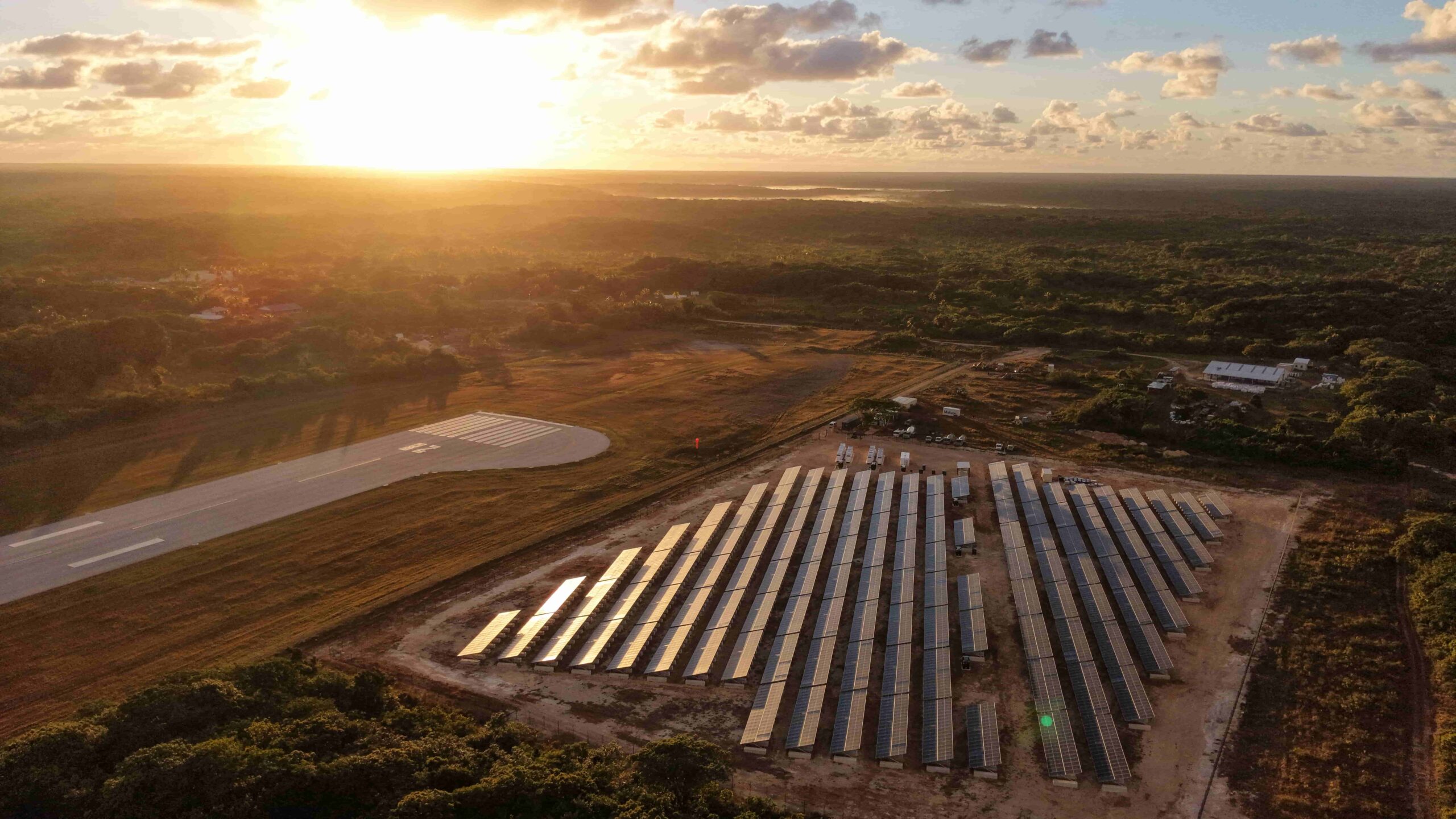
Niue’s reliance on diesel generators has significantly reduced from 24/7 operation to just 2-3 hours a day thanks to a new solar and battery system officially opened today, supported by the New Zealand Government and installed by Sunergise. The 2.79 MWp solar and 8.19 MWh battery energy storage system (BESS) forms a central pillar of the country’s goal of generating 80% of its electricity from renewable sources by 2030 and is now slashing around $4,000,000 NZD per year in diesel costs, directly strengthening Niue’s economic resiliency and development.
Diesel Dependency Is a Pacific-Wide Vulnerability
Like most remote atoll nations, Niue has relied almost entirely on costly fuel deliveries. Diesel that must be shipped in is vulnerable to global price swings and supply chain disruptions that can trigger fuel-related blackouts and leave entire communities without power.
The renewable energy project directly addresses that risk, marking a major step toward Niue’s energy resilience and giving the island’s approximately 1,800 residents one of the biggest solar capacities per capita in the Pacific.
Proving What’s Possible on Remote Islands
Building solar infrastructure on a coral atoll is nothing like building it on the mainland, like in New Zealand. Niue’s uneven, rock-hard terrain required extensive preparation before a single foundation could be poured. With challenging ground conditions on-site, structures were anchored using locally sourced concrete and engineered to withstand cyclone-force winds. The project, built beside Niue International Airport, took over a year to complete, reflecting the complexity of delivering utility-scale renewable infrastructure in one of the world’s most remote locations.
Sunergise CEO Paul Makumbe says the project highlights a wider shift taking place across the region:
“Every Pacific Island faces its own version of this challenge with geographic remoteness, outsized exposure to climate risk and complex solar installation conditions. What we’ve proven in Niue is that these barriers aren’t a reason to wait. Renewable energy expansion across Pacific nations is possible and can be accelerated.”
“I’m proud of the work the team has put into completing this outstanding project, with our excellent site supervisor, Will, working closely with the local community throughout, sharing skills, and enhancing local capability along the way”, Paul adds.
A Small Nation, an Outsized Result
The completed system, featuring 4,536 JA Solar panels and an 8.19 MWh Sungrow storage battery, will generate 5,186 MWh of clean electricity annually while offsetting 407,992 kg of CO₂ every year. The system fully integrates with the grid and existing BESS units on the island.
For a small nation of approximately 1,800 people, every litre of diesel no longer imported strengthens the country’s ability to reinvest in healthcare, education, and community wellbeing.
A Partnership for Pacific’s Energy Future
The project was delivered in partnership with the Government of Niue and the New Zealand’s Ministry of Foreign Affairs and Trade (MFAT).
On 23 July 2026, the system was officially handed over to the Government of Niue in a ceremonial opening event, marking a significant milestone in Niue’s journey towards renewable energy.