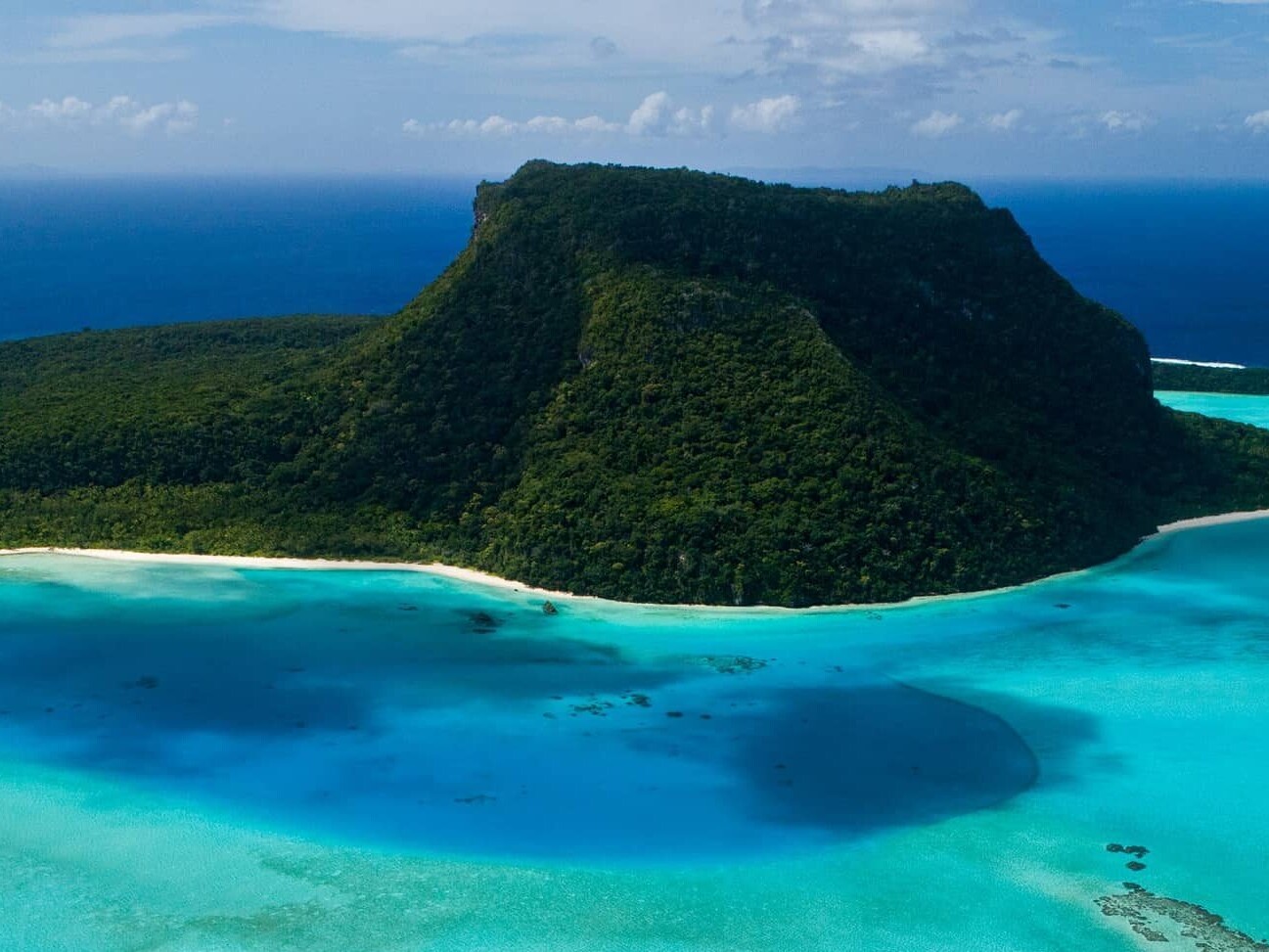
Providing Power for 18,000 Residents
From panels to impact:
Annual Energy Production: ~1.5 GWh/ yr
Economic value: Saving diesel costs with Fiji’s First 100% Renewable Energy Island
Environmental value: supports Taveuni’s commitment to cut carbon emissions by 30%
Deployed by:

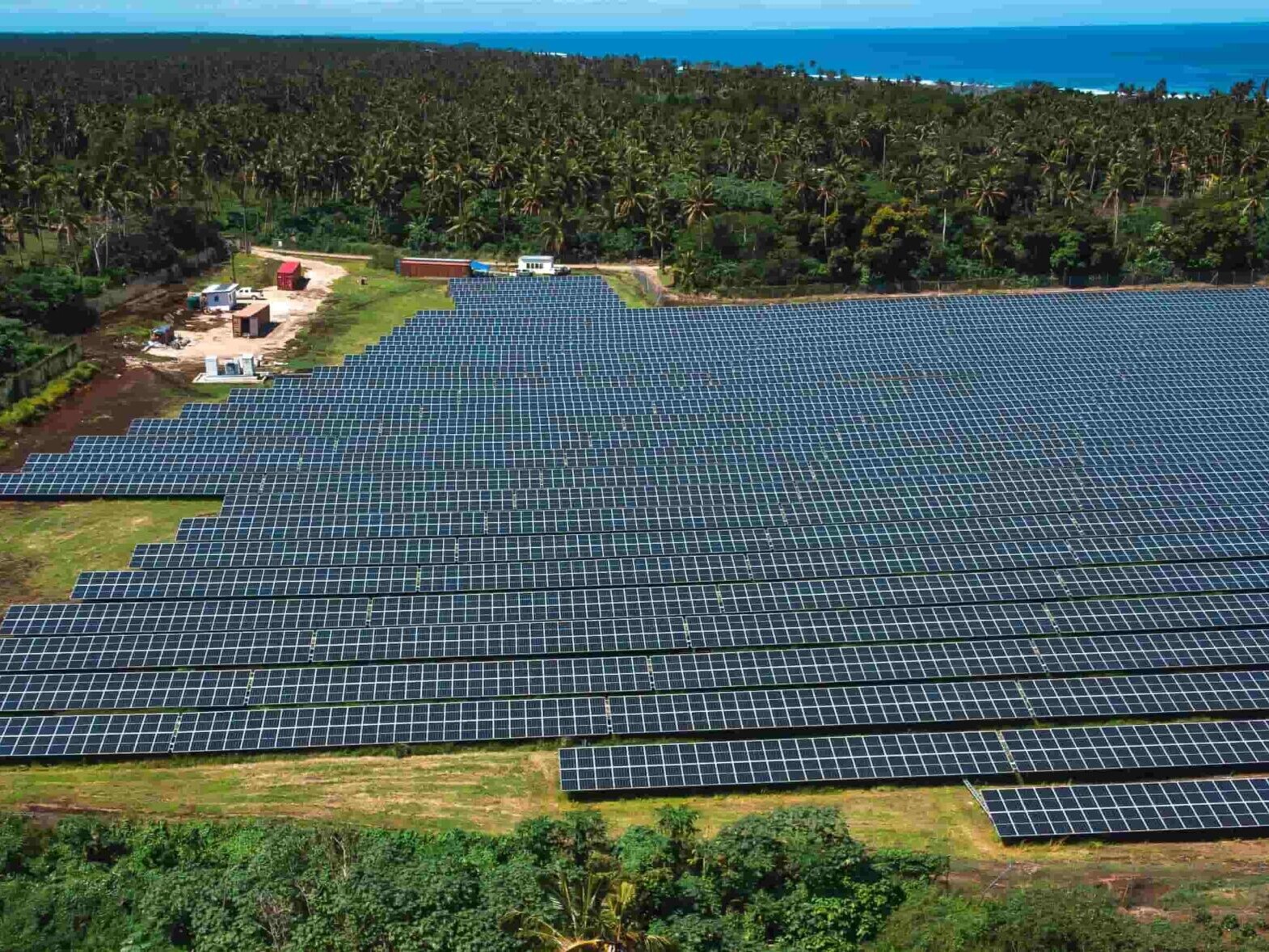
On Taveuni, Fiji’s third-largest island, not every home has had access to electricity. As a first of its kind for the region, a 1 MWp grid-connected solar farm combined with 1.1 MWh battery energy storage system (BESS) helps provide a reliable supply of renewable energy for 18,000 residents. Clay Energy, part of the Sunergise Group, designed and built it as EPC contractor for Energy Fiji Limited (EFL). Funding came from the Korea International Cooperation Agency (KOICA) and the Fijian Government. It is the first large-scale solar and battery system feeding a public grid in the region. Together with the Somosomo hydro scheme, it puts Taveuni on track to become the first island in Fiji to run on 100 per cent renewable energy. A milestone that shows how solar farms and storage can improve energy access and energy costs, support sustainable development and raise living standards.
The Challenge: Reliable Renewable Power for a Remote Island Grid
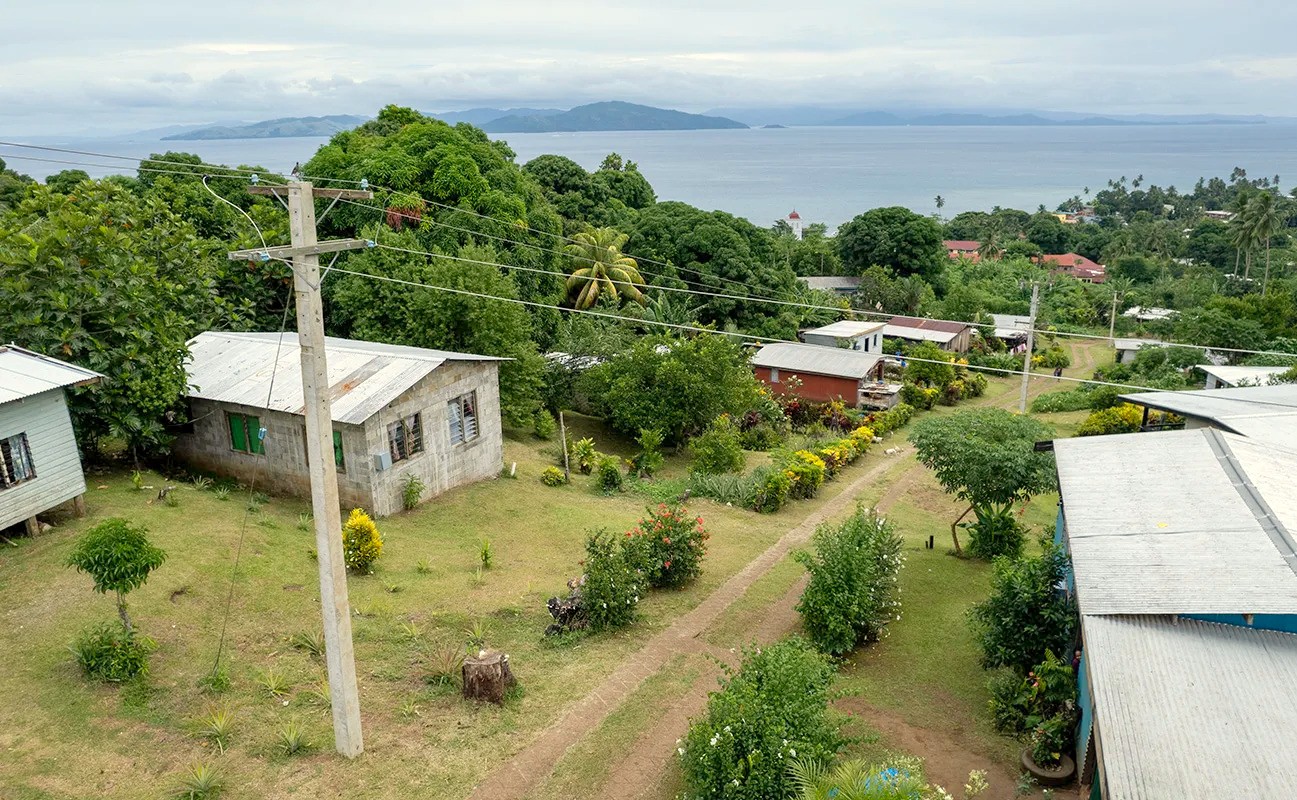
Before the solar farm, Taveuni’s electricity came solely from the Somosomo hydro scheme and the Waiyevo Power Station, supported by diesel generation. The grid reached the main population centres, but communities are spread across the island, and some areas in the north had no access to electricity at all. Small island grids in the Pacific work very differently from large national networks. There is no neighbouring grid to fall back on. When clouds pass over a solar system, output can drop within seconds, and without storage that puts supply at risk. Building a solar farm in the tropics also brings its own demands. In Fiji, as across the Pacific Islands, every component has to withstand high humidity, salt-laden air and the risk of cyclones. That calls for cyclone-rated mounting structures backed by wind-load engineering, and for panels and inverters that are proven in harsh coastal conditions, where lower-quality equipment loses efficiency faster. The project was initiated in 2019, but border closures during the COVID-19 pandemic delayed construction and made sourcing components from overseas a challenge in its own right.
Sunergise’s Solution: 1 MWp of Solar Panels and 1.1 MWh Battery Storage
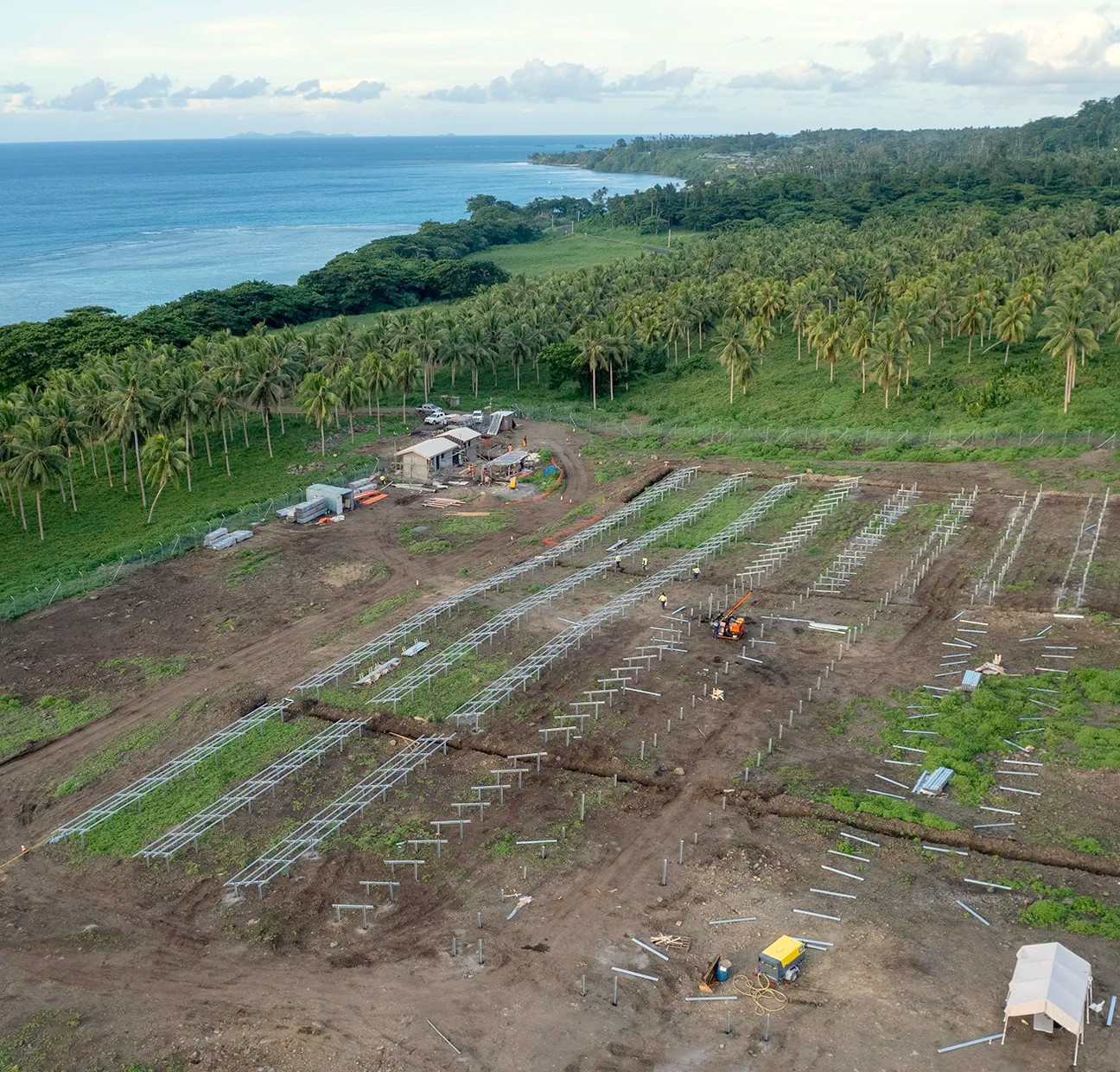
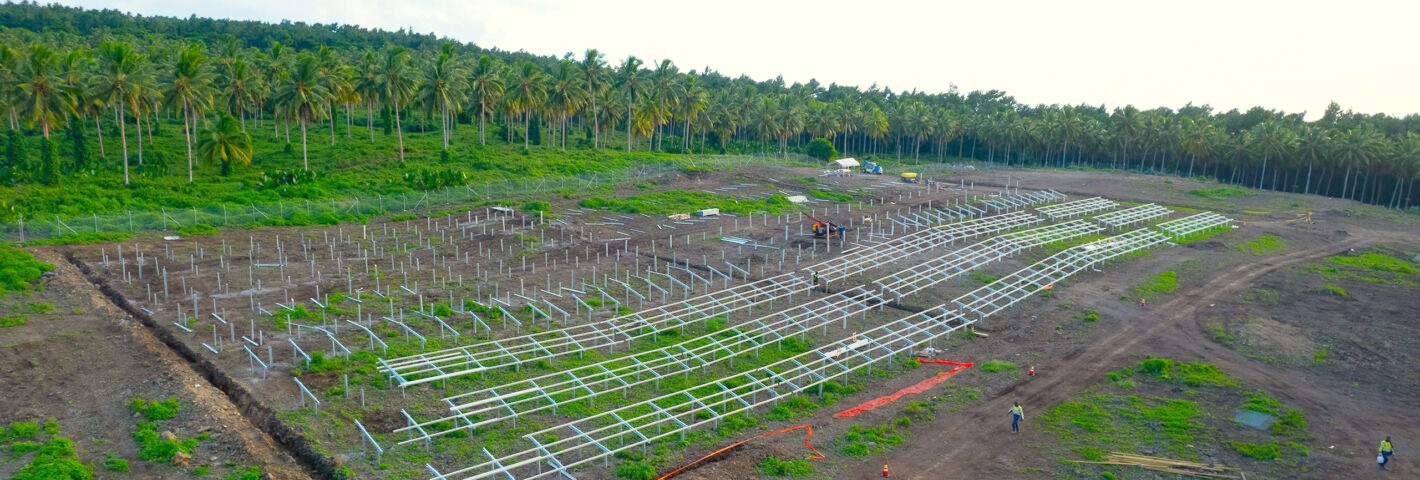
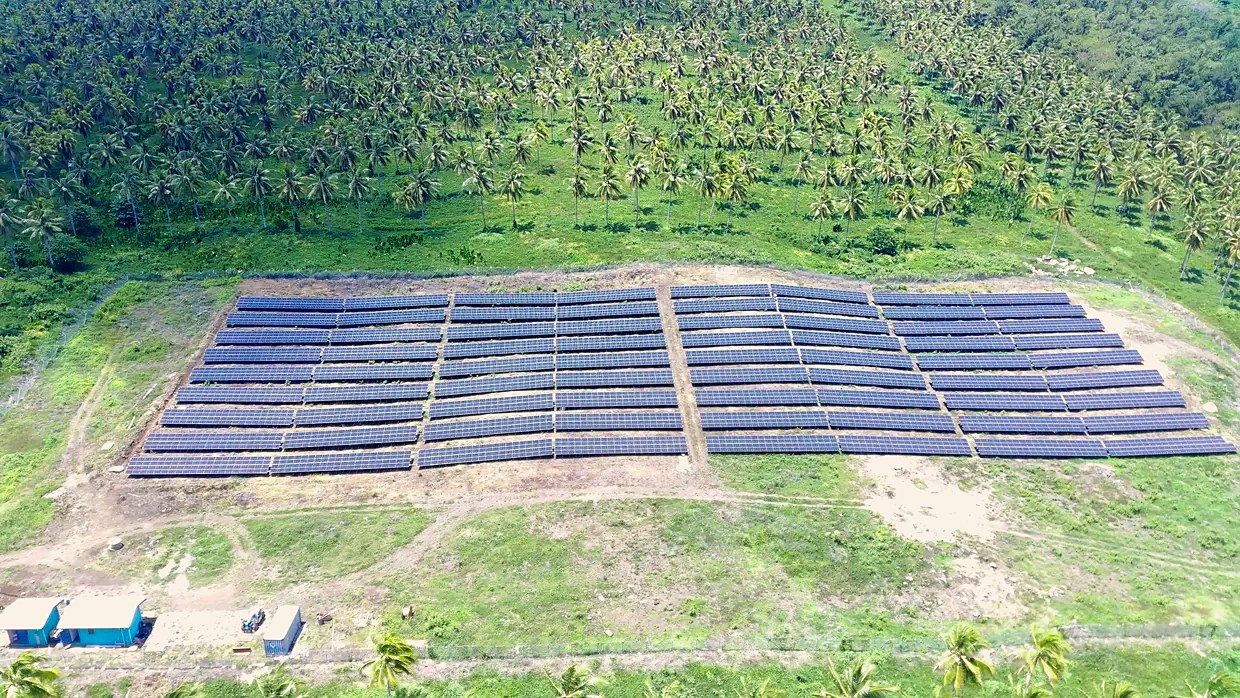
Clay Energy built the solar farm at the Mua Research Centre in northern Taveuni, a government-owned centre for palm and coconut research. The plant has 2,880 PV modules rated at 370 W each, for a total of 1.065 MWp. An AlphaESS BESS with 1,072.5 kWh storage capacity and 500 kW output stores surplus solar energy during the day. It smooths fluctuations, supports the grid when generation is low or demand peaks, and provides backup power during outages. The additional solar generation allowed EFL to extend the grid and power lines to Welagi and Naselesele benefiting 130 homes, a school and local businesses.
Project Highlight: Paving the Way for Fiji’s First 100% Renewable Energy Island
The solar farm is the first large-scale solar and battery solution to be deployed in the country. The power generated by the solar system will complement the Somosomo Hydro scheme and will make Taveuni the first island in Fiji to achieve 100% renewable energy and supports its commitment to cut greenhouse gas emissions by 30 per cent by 2030. The project had direct benefits for the community, encompassing better living conditions, health benefits, job creation, climate resilience and food security.