24h of diesel, down to 2–3h per day
From panels to impact:
Annual Energy Production: 5,186 MWh/ yr
Economic value: Long term savings of $4,000,000 NZD diesel costs / yr
Environmental value: 408t carbon offset/ yr
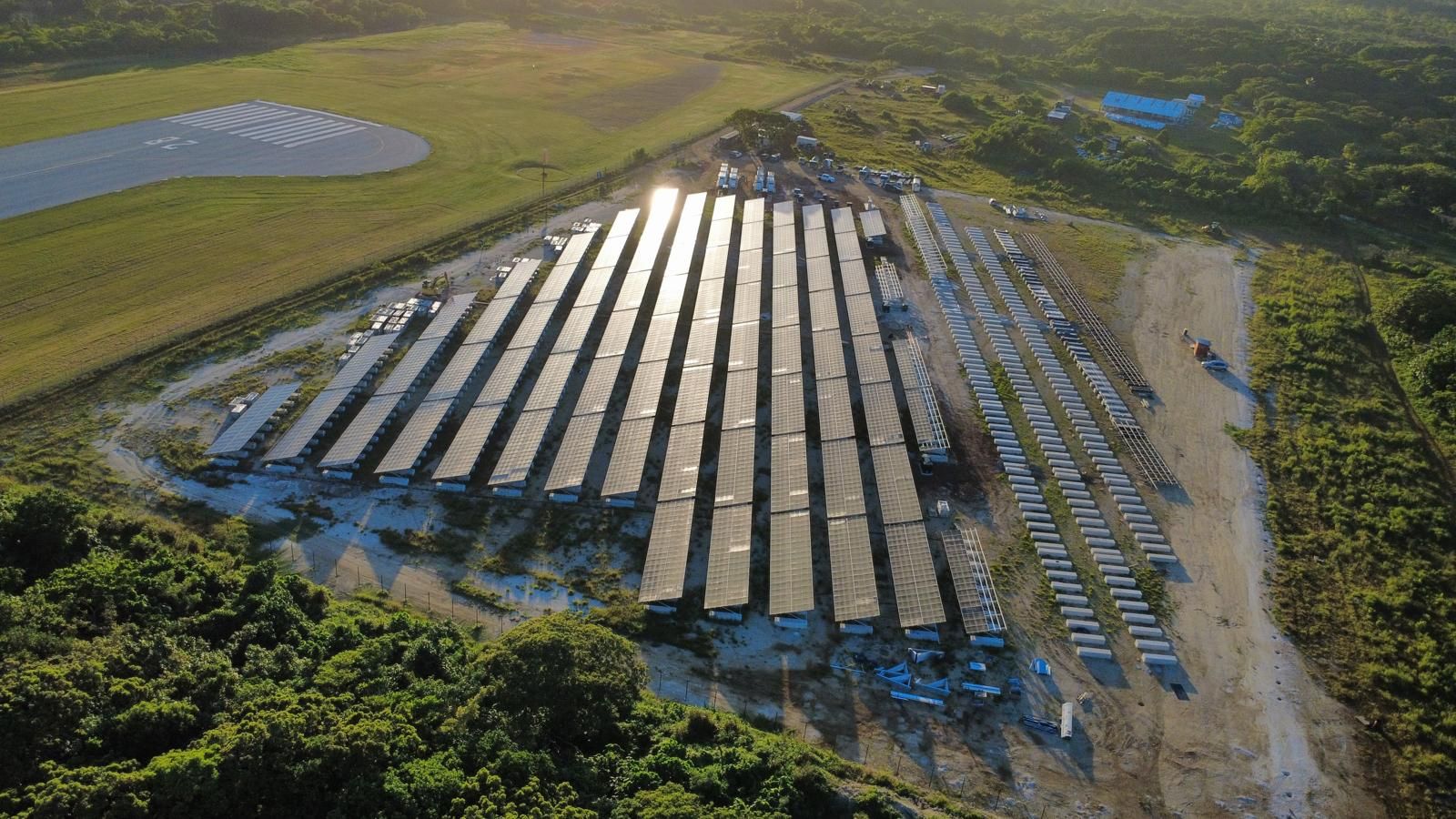
2.79 MWp commercial solar panels system + 8.19 MWh battery
Like most remote atoll nations, Niue has relied almost entirely on diesel shipped in by sea, exposed to global energy price swings and supply disruptions that can trigger fuel-related blackouts. This project forms a central pillar of Niue’s goal of 80% renewable energy by 2030, and is now saving the pacific nation around $4,000,000 NZD a year in diesel costs. This article looks at how the project has progressed, offering a glimpse into the implementation of renewable energy projects in the Pacific.
The Challenge
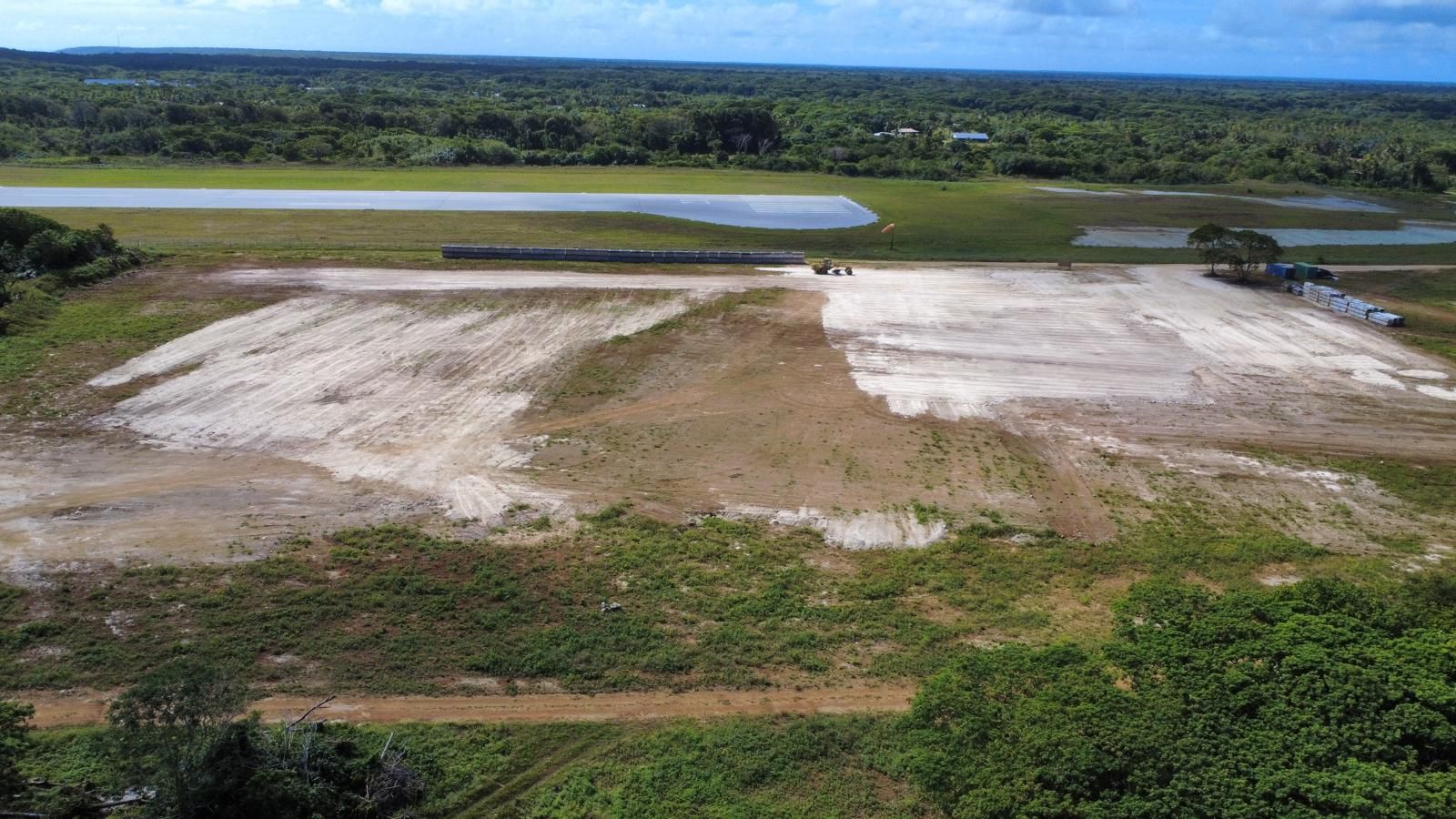
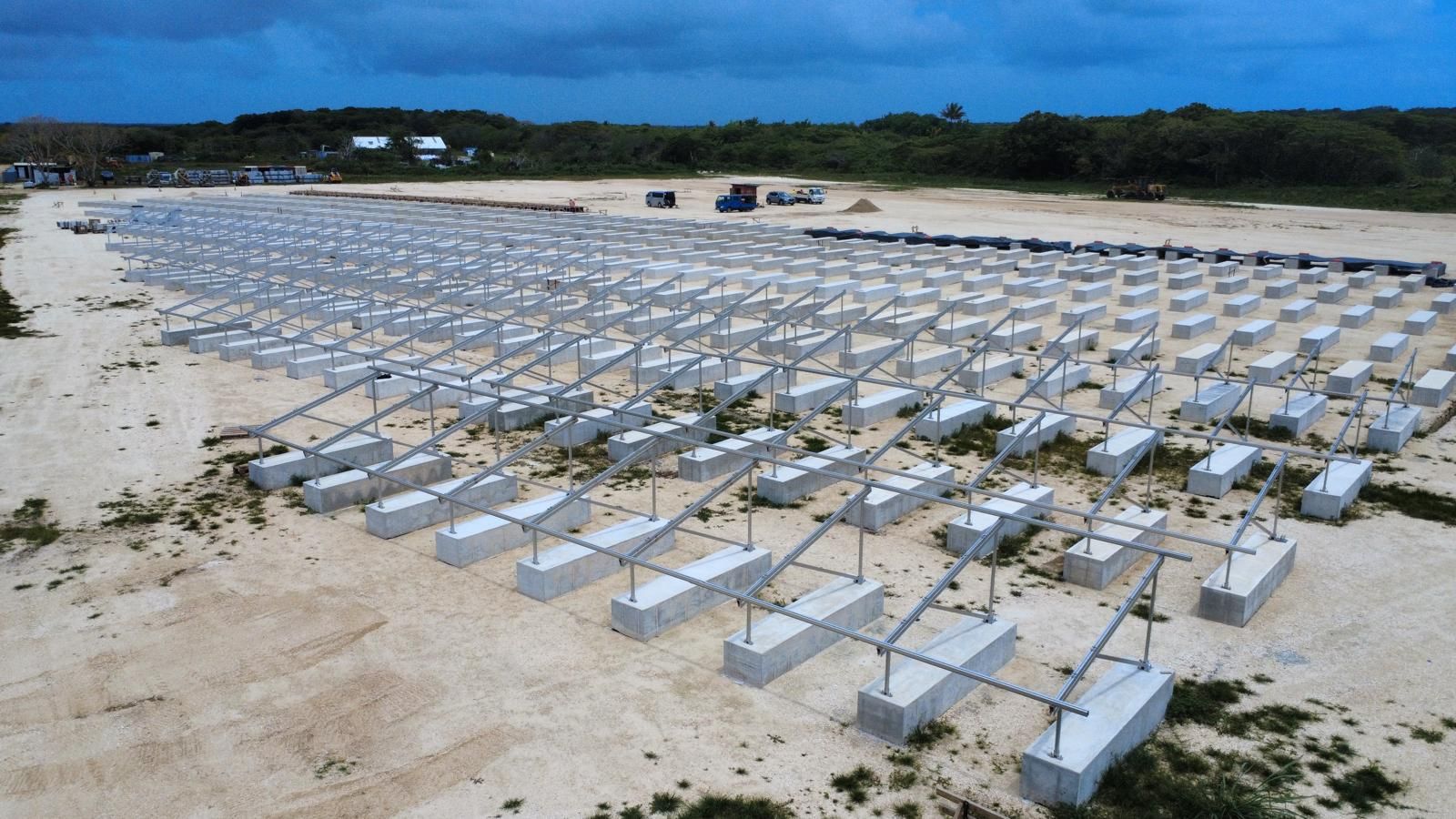
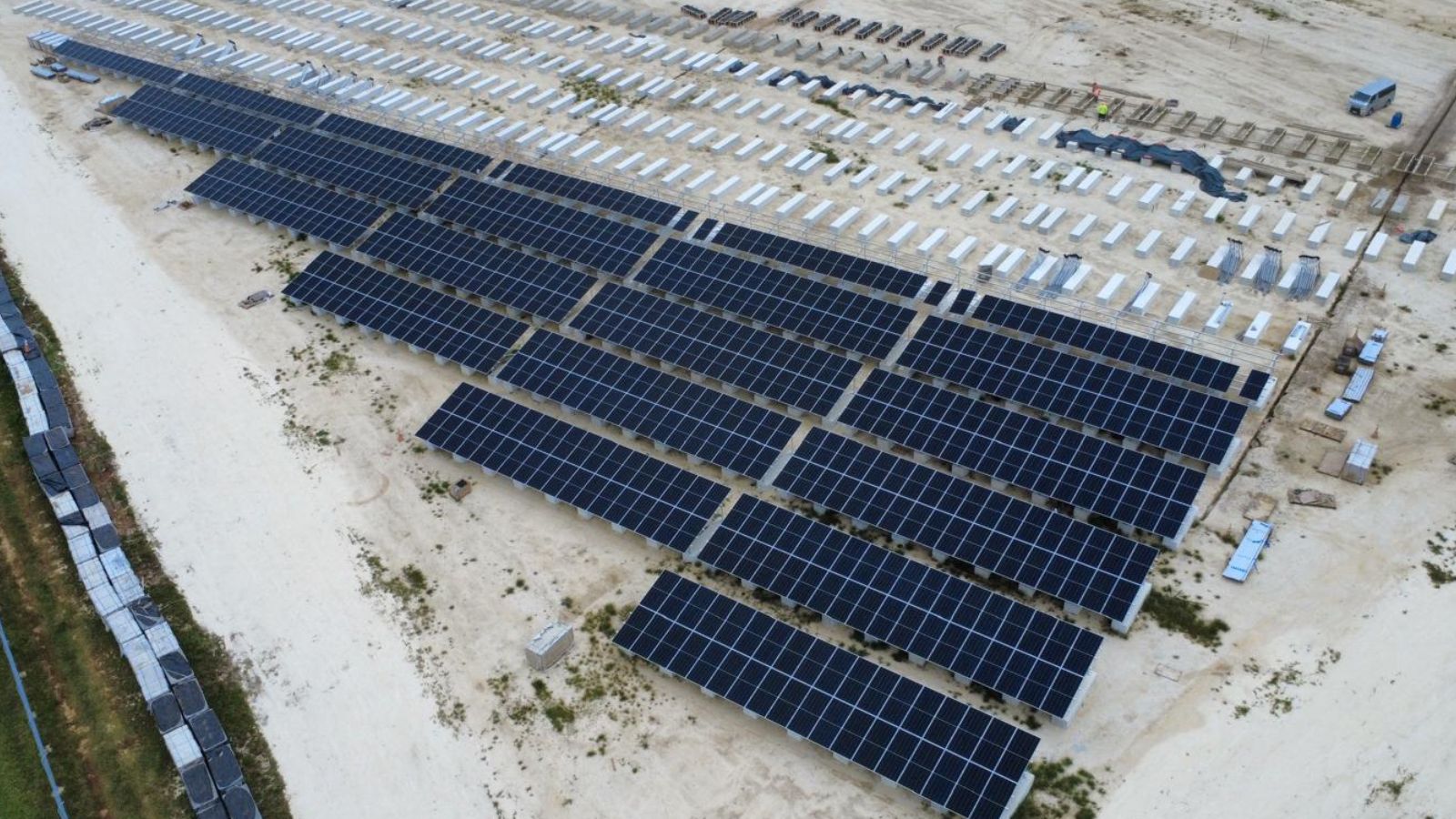
Niue’s 1,800 residents have long depended on costly, imported diesel to keep the electricity on. Building solar installations on a coral atoll is nothing like building it on the mainland due to Niue’s uneven, rock-hard terrain and outsized exposure to extreme weather events. The project took over a year to complete reflecting the complexity of delivering utility-scale solar energy systems in one of the world’s most remote locations.
Sunergise’s Solar Power Solution
The solar solution (system size: 2.79 MWp) paired with an 8.19 MWh battery energy storage system, fully integrated with the grid and Niue’s existing BESS units, supported by the New Zealand Government. Together, the solar and battery system has cut diesel generator runtime from around-the-clock operation down to just 2–3 hours a day — generating 5,186 MWh of clean energy annually while offsetting 407,992 kg of carbon emissions every year.
For the remote community with 1,800 people, every litre of diesel no longer imported strengthens the country’s ability to reinvest in healthcare, education and community wellbeing, creating a greener future for the pacific region.
A Moment to remember: Project Highlight
Beginning of July, the diesel generators were turned off the first time, and the solar and battery system took over as the main renewable energy source of the island. On 23 July 2026, the completed system was officially handed over to Niue during a ceremonial opening event attended by delegates from the New Zealand Ministry of Foreign Affairs and Trade (MFAT) and the Government of Niue.