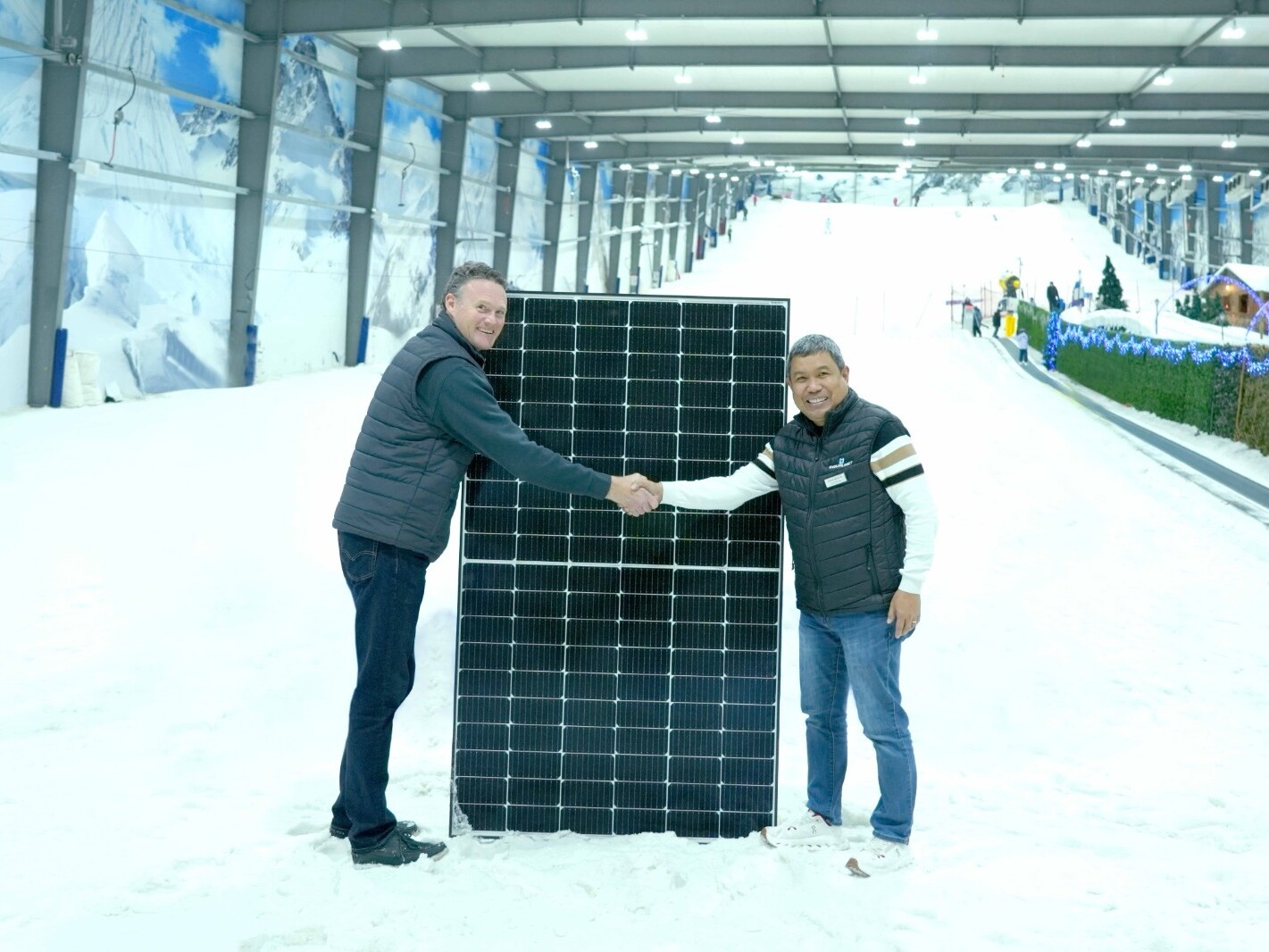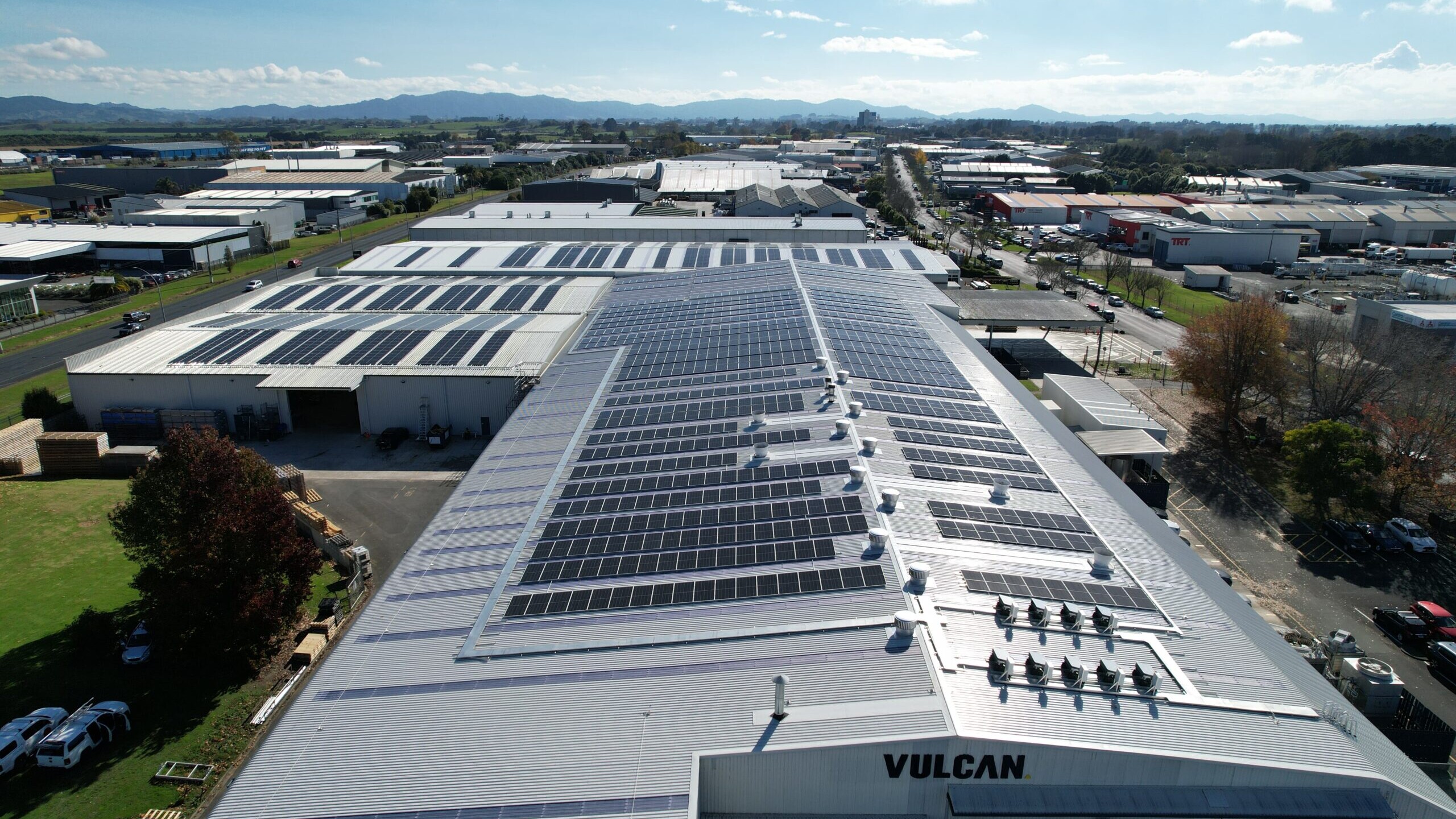
Vulcan, one of New Zealand’s leading aluminium extrusion processors, has commissioned the aluminium industry’s largest rooftop solar installation in NZ, partnering with Sunergise, to power its Hamilton facility with clean, on-site generated electricity.
The 1.17 MWp installation allows Vulcan to directly power its aluminium processing operations with renewable electricity, cutting the carbon footprint of its processed aluminium by more than 35%.
For Vulcan, the investment reflects a broader strategic shift toward greater control over its energy future. Zubair Khan, Vulcan’s Commercial Leader, says:
“We are proud to have installed the largest rooftop system in NZ’s aluminium industry. While the emissions reductions are significant, the real value lies in building a more resilient and secure energy strategy for the future. This investment reduces our exposure to market volatility and strengthens the long-term sustainability of our operations.”
A key enabler of the project was Vulcan’s decision to adopt Sunergise’s SunPlus™ Power Purchase Agreement (PPA). Under this model, Vulcan pays for the solar energy generated by the system, with no upfront capital expenditure allowing the company to accelerate its decarbonisation journey while Sunergise manages system performance, operation and maintenance.
Low-Carbon Supply Chain Innovation
The project also showcases Vulcan’s own manufacturing capability. The mounting rails for the solar panels were designed and extruded at Vulcan’s Hamilton extrusion facility, the same site where the installation now sits using low-carbon aluminium billet sourced from Tiwai Point Aluminium Smelter. The result is a project that reduces embodied carbon across the supply chain, from raw material to finished infrastructure, entirely within Vulcan’s own operations.
Sunergise CEO Paul Makumbe highlighted the deeper systemic innovation behind the project:
“What makes this installation unique is the way materials were rethought at every stage. It demonstrates how we can rely on local partnerships and locally sourced materials to build renewable infrastructure in NZ by reducing dependence on carbon-intensive imports from overseas.”
This approach reflects a broader shift toward industrial symbiosis, where manufacturing and renewable energy systems are increasingly integrated to reduce emissions across entire value chains.
Transforming Energy Use in Aluminium Extrusion
By generating a significant share of its own operational energy demand on-site, Vulcan is reshaping how energy is consumed in aluminium processing and supporting the production of some of the lowest-carbon extruded aluminium products in New Zealand.
The system is expected to produce more than 1,400 MWh of clean electricity annually, enough to power more than 200 homes and offsetting approximately 134 tonnes of CO₂ per year.